
Most live airbrush activations need electricity for compressors and task lighting. The exact requirement is not one universal number: it depends on the equipment models, artist count, station layout and what else is connected to the venue’s circuits.
Ask for a written equipment plan before the event. Then let the venue electrician or authorized facilities contact confirm circuits, outlet locations and cord rules. This avoids overloaded circuits, compressors placed in guest traffic and last-minute station changes.
Why the nearest outlet is not the whole answer
An outlet is only the connection point. The circuit behind it may also serve lighting, catering equipment, audiovisual gear or another booth. Two outlets can even share the same circuit. The venue—not a visual inspection—should confirm what electrical capacity is available.
Compressors also have startup demand when their motors cycle on. A plan based only on a simple running-watt estimate can miss that brief but important load. Use each device’s nameplate or manufacturer documentation, then allow the venue’s qualified electrical staff to approve the combined plan.
Start with an equipment inventory
| Equipment | What to record | Why it matters |
|---|---|---|
| Air compressors | Model, voltage, rated amps or watts and quantity | Motors can draw more power during startup |
| Task lighting | Fixture quantity and rated input | Artists need consistent light for color and detail |
| Order or pickup devices | Chargers, printers or host-supplied equipment | Small devices still add to the same circuit |
| Extension equipment | Length, gauge, indoor/outdoor rating and connectors | Long or undersized cords can create voltage drop and hazards |
Do not estimate from equipment appearance. Record the electrical information from the exact units traveling to the event. If the artist team changes, update the power plan as well.
How many circuits are needed?
The safe answer comes from the total equipment load and the venue’s approved circuit capacity. A larger artist team may need equipment distributed across multiple confirmed circuits rather than plugged into one power strip.
List every powered device → confirm its rated load → account for simultaneous compressor startup → identify which outlets share a circuit → get venue approval.
Do not treat “six outlets” as “six circuits.” Ask the venue to identify dedicated or shared circuits on the floor plan.
The artist staffing guide helps estimate team size. Once the artist count is set, 3JS can confirm the planned equipment so the venue can review it.
Plan the station and cord route together
Power should reach the station without crossing the guest queue, blocking an exit or creating a trip hazard. Confirm the outlet-to-station distance before load-in. Use cords and protective covers rated for the environment and approved by the venue.
Keep connections away from wet areas, merchandise and fresh paint. Do not daisy-chain power strips or use adapters the venue has not approved. Trade shows may require electrical service ordered through the official provider, with deadlines and floor-port locations set by the venue.
Review the broader live airbrush setup checklist, indoor venue guide and trade show activation guide.
Can a generator be used outdoors?
A properly sized generator may support an outdoor activation when the venue permits it. The rating must cover the real simultaneous startup and continuous load with appropriate margin—not simply the sum of marketing labels. Confirm grounding, weather protection and permitted connection methods with the venue or qualified professional.
Placement matters too. The generator must remain outdoors in an approved location away from guests, doors, windows and air intakes. Venue rules may govern fuel, refueling, fire extinguishers, noise and operating hours. Never operate a fuel-powered generator indoors, inside a tent, or in an enclosed loading area.
When shore power is available, compare it with the generator option before deciding. A confirmed venue circuit may reduce fuel, noise and placement concerns. For weather planning, see Can You Have Live Airbrushing at an Outdoor Event?
What has worked at real 3JS events?
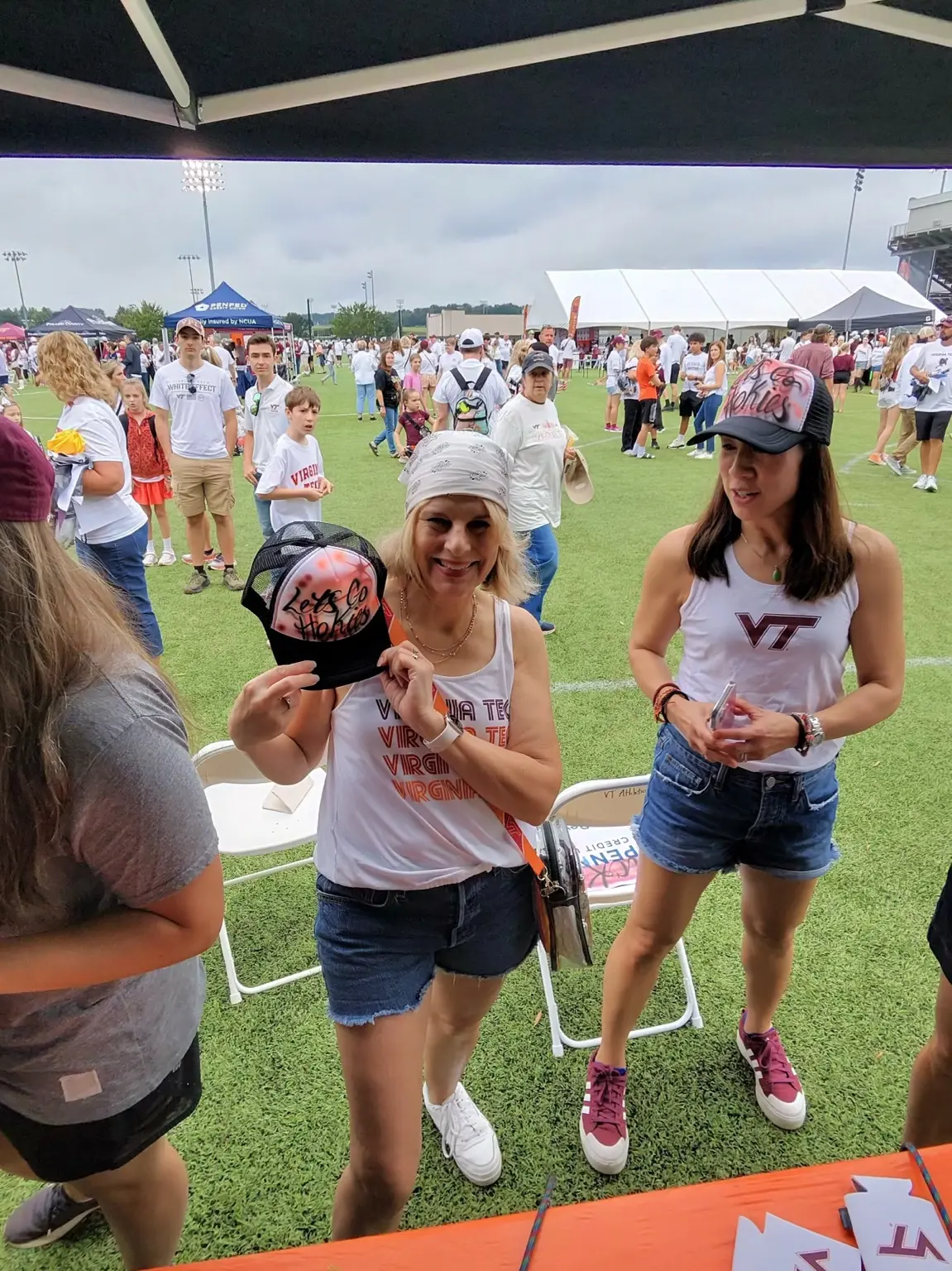
3JS has operated professional stations at indoor corporate events such as the EY event in Boston, outdoor university programs including Virginia Tech, and high-capacity campus events such as High Point University. These environments are different, but the process is consistent: confirm the artist count, equipment, station footprint, power source and guest flow before arrival.
These examples demonstrate venue types and team experience; they do not imply that every venue uses the same circuits or equipment. Each event receives its own technical review.

Power checklist for the venue contact
- Indoor or outdoor station location and final floor plan
- Artist count and exact compressor, lighting and accessory list
- Voltage, amps or watts shown on each device nameplate
- Approved outlets, circuit ratings and what else shares them
- Distance from power to every artist station
- Venue rules for cords, mats, covers, power strips and floor crossings
- Trade show electrical ordering deadline, if applicable
- Outdoor generator, weather and fuel rules, if applicable
- Facilities or electrician contact available during load-in
- Backup plan if the assigned power source is unavailable
Explore corporate airbrush events, college and university events, real 3JS event galleries and customizable products. Then send the venue details through the event quote form.
Frequently asked questions
Does a live airbrush event need electricity?
Usually, yes. Airbrush compressors and task lighting generally require electricity. The exact requirement depends on the number and model of compressors, the artist count and any additional equipment.
Can several airbrush artists share one electrical circuit?
Only when the combined running and startup load stays within the circuit and venue limits. Confirm each device nameplate, identify what else is on the circuit and have the venue electrician approve the plan.
Can a generator power a live airbrush activation?
A properly sized generator may work outdoors when the venue permits it. Size it for simultaneous compressor startup and continuous load, use outdoor-rated equipment and follow the venue’s placement, fuel, noise and safety rules.
How close should outlets be to the artist station?
Close enough to avoid unnecessary cord runs through guest paths. Confirm the distance during the site plan and use only appropriately rated cords, protected crossings and connections allowed by the venue.
What power information should an event planner send before the event?
Send the venue contact, outlet and circuit details, distance from power to the station, indoor or outdoor location, generator rules and any restrictions on cords, floor coverings or electrical equipment.